
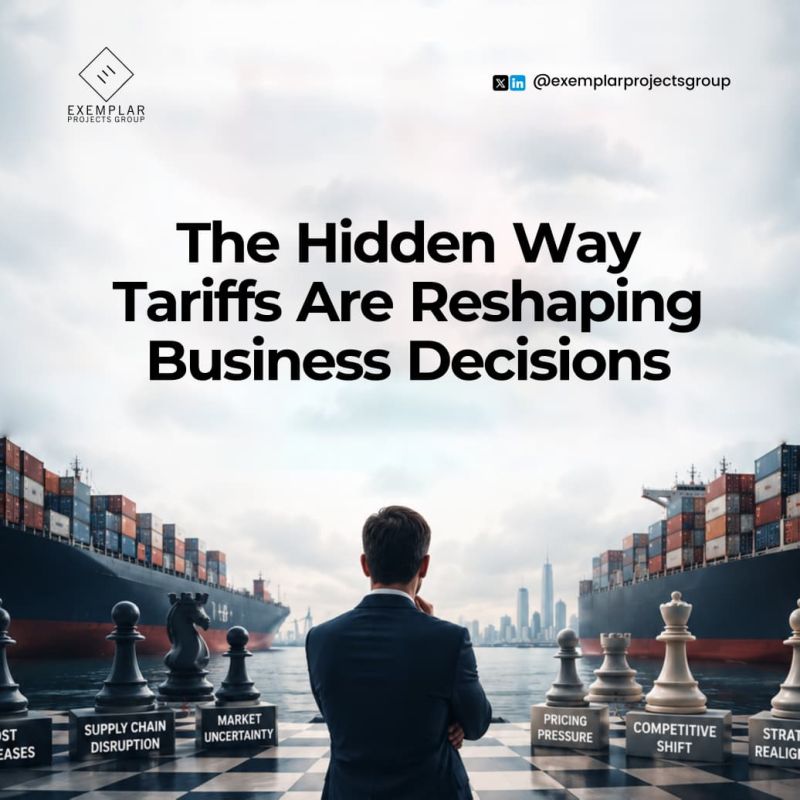
How Tariffs Are Quietly Reshaping Global Business Strategy
23 June 2026
Sometimes the biggest changes in business are not loud policy shifts or dramatic announcements. They happen quietly, almost invisibly, until companies begin to adjust their entire structure around them.
Tariffs are increasingly becoming one of those silent forces.
For many years, trade policies were treated as background government decisions — important, yes, but not something that directly influenced day-to-day business strategy. Companies focused more on demand, competition, and internal efficiency. But that balance is shifting.
Across global markets, rising tariffs and import duties are now directly influencing how businesses operate. From manufacturing to technology and retail, companies are being forced to rethink where they source materials, how they price products, and even which markets they can realistically serve. Firms like Apple Inc., Toyota Motor Corporation, and Stellantis have all had to adjust parts of their supply chain planning in response to ongoing trade pressures.
What makes this shift more significant is that tariffs rarely operate in isolation. A single policy change can ripple across multiple layers of a business. Production costs rise, supplier relationships become less stable, and pricing decisions become more complex. For smaller businesses, the effect is even more immediate, because there is often very little room to absorb additional cost pressure.
Research from the 2026 KPMG Tariff Survey shows that a large majority of businesses are already experiencing increased operating costs linked to tariffs, with many planning further price adjustments in response. More importantly, companies are no longer treating these changes as temporary disruptions. Instead, they are beginning to redesign supply chains, diversify sourcing, and reduce dependency on single regions.
A separate body of economic research from the Federal Reserve Bank of New York also highlights a consistent pattern: most of the financial burden from tariffs eventually shifts away from governments and is absorbed by businesses and consumers through higher prices and reduced margins.
This is where the real transformation is happening.
Businesses are no longer waiting for trade environments to stabilize before making decisions. They are building flexibility into their operations as a survival strategy. Local sourcing, regional diversification, and alternative supply networks are becoming standard considerations rather than emergency responses.
And slowly, tariffs are no longer just a policy issue discussed between governments. They are becoming a structural force that shapes how businesses design themselves, compete, and grow.
Because in today's global economy, even decisions made far away in policy rooms eventually show up inside business balance sheets.
More articles
 Digital Marketing
12 Aug 2026
The Real Competition in Digital Content Is Not Followers — It's Seconds
 Business Strategy
15 Jul 2026
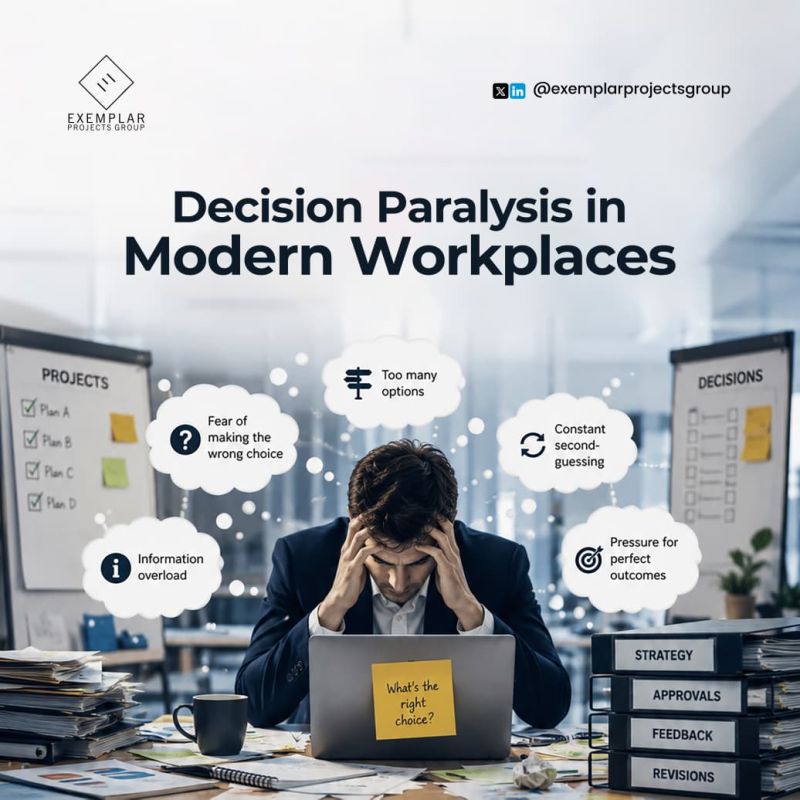
Decision Paralysis in Modern Workplaces
 Technology
2 Jul 2026
AI and the Future of Work: Replacement or Redesign?
SWAVE Money
Ready to bank smarter?
Zero-data banking, instant transfers, and real rewards. Download SWAVE Money today.