
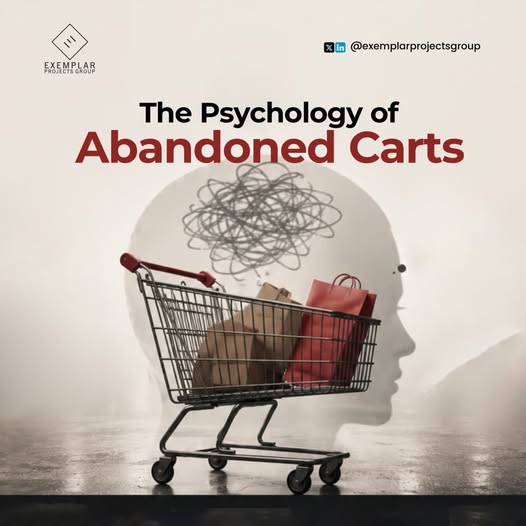
Why Shoppers Abandon Their Carts at the Final Step
12 August 2026
There is a quiet pattern in online shopping that businesses have learned to normalize, even though it quietly drains revenue every day. A customer discovers a product, shows clear interest, adds it to the cart, moves toward checkout, and then leaves without completing the purchase. No complaint, no rejection, just disappearance at the final step.
This is not a rare behavior. According to a Baymard Institute large-scale e-commerce usability study, the average cart abandonment rate globally is close to 70 percent. In simple terms, most online stores lose more potential customers at the checkout stage than at any other point in the buying journey.
At first glance, this looks like indecision or lack of intent. But when studied closely, abandonment is rarely about the product itself. It is usually about what happens between intent and completion. A moment that begins with interest is interrupted by friction, and that interruption quietly resets the decision.
That friction appears in different forms. Sometimes it is unexpected costs that only show up at checkout. Sometimes it is a long or complicated payment process. Other times it is forced account creation or unclear delivery timelines. Individually, these seem small. But collectively, they are enough to break the emotional momentum that drives a purchase.
A simple real-world pattern explains this shift in behavior. A shopper may add items impulsively while browsing on mobile, but once the process demands extra steps or introduces uncertainty, the urgency fades. The product remains the same, but the experience around completing the purchase no longer feels effortless.
Major e-commerce platforms have built entire systems around solving this problem. Companies like Amazon have refined one-click purchasing and streamlined checkout experiences specifically because the data shows that every additional step between cart and confirmation increases the chance of abandonment. The modern buyer's attention is fragmented, fast, and highly sensitive to interruption. Interest is easy to generate, but difficult to sustain.
As a result, the real competition in e-commerce is not only product quality, but the ability to reduce hesitation at the exact moment of decision.
The solution lies in removing unnecessary friction from the final stage of the journey. Transparent pricing from the beginning, simplified checkout processes, guest checkout options, and visible trust signals such as clear return and delivery policies all work toward one goal: shortening the gap between intent and completion.
Ultimately, abandoned carts are not simply lost sales. They are interrupted decisions. And in e-commerce, the smallest disruption at the final step often determines whether intent becomes revenue or disappears silently.
More articles
 Business Strategy
3 Jun 2026
The Economy of Appearances: Why Perception Now Drives Business Value
 Business Strategy
21 May 2026
The Oversaturation Economy: How to Stand Out When Everything Looks the Same
 Business Strategy
13 May 2026
The Loneliness Economy: How Human Disconnection Is Fuelling a New Wave of Business
SWAVE Money
Ready to bank smarter?
Zero-data banking, instant transfers, and real rewards. Download SWAVE Money today.